Mark Wahlberg Says He’s Open to AI‑Generated Likeness for Future Projects
Actor Mark Wahlberg will use AI to enhance a Pete Rose biopic’s stadium scenes and may allow an AI clone of himself to carry on his legacy, a move that could reshape film production.
 BuildPreview AI Desk
3 min read
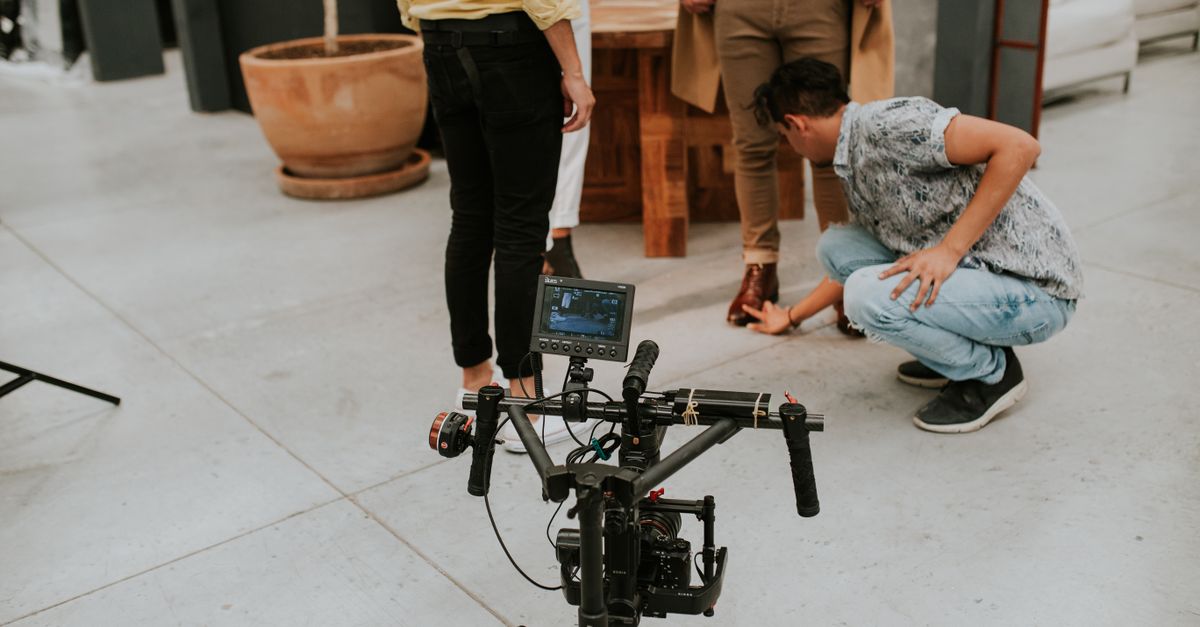
Actor and entrepreneur Mark Wahlberg told TechCrunch Disrupt that he will use AI to enhance the stadium setting in his upcoming Pete Rose biopic, but he insists the technology should never replace real actors.
Key points
- Wahlberg plans AI assistance for stadium scenes in the Pete Rose biopic.
- He insists AI should augment storytelling, not replace actors.
- He is open to creating a future AI likeness via the CAA Vault to preserve his legacy.
- He would allow an AI version of his animated series “Ted” to continue if he can’t perform.
- He cites Jurassic Park and Perfect Storm as early CGI milestones.
What happened
During the October 16, 2026 session at TechCrunch Disrupt, Wahlberg addressed a packed auditorium of founders, developers, and investors. He revealed that the $200‑budget biopic of baseball legend Pete Rose will incorporate AI‑generated stadium environments, a decision he framed as a cost‑saving measure that still respects the film’s narrative integrity.
He stressed that AI should enhance, not replace, human performance, noting that ChatGPT alone is unsuitable for scriptwriting or casting. Wahlberg said, "I’m all for that.", when asked if he would use AI to generate a full script or rely on actors. He added that the AI tools would be employed only for set design and visual effects, keeping the human story front and center.
The backstory
Hollywood’s relationship with artificial intelligence has been fractured since the early 2020s, when studios experimented with generative models for pre‑visualization and cost reduction. Some filmmakers embraced the technology, while others feared it could erode artistic authenticity and labor value.
The Creative Artists Agency introduced its CAA Vault, a scanning and synthesis platform that creates digital replicas of actors’ likenesses. Wahlberg admitted he had not yet visited the Vault, but expressed interest in using it to give future generations control over his image in a way that he could approve.
Why AI is a double‑edged sword
The technology offers studios the ability to cut costs on set design and visual effects, but it also raises ethical questions about authorship and the value of human performance. When AI is used to generate scenery, the creative team must still decide how the digital elements fit into the narrative, a task that can erode the collaborative spirit of filmmaking.
Who gains and who loses
Studios and investors stand to benefit from lower production budgets and faster post‑production workflows. Actors and unions, however, face potential job displacement and a devaluation of their craft. Wahlberg’s willingness to let an AI clone carry on his legacy illustrates the tension between preserving artistic integrity and embracing commercial efficiency.
What builders and businesses should do
- Evaluate AI tools that enhance set design without compromising narrative quality.
- Explore licensing agreements for digital likenesses to protect brand integrity.
- Engage legal counsel early to navigate emerging AI‑related IP laws.
- Build internal expertise in AI‑augmented post‑production pipelines.
- Monitor CAA Vault and similar platforms for compliance and best practices.
The bottom line
Watch how the CAA Vault’s licensing framework evolves; its adoption could dictate how actors’ likenesses are monetized and protected in the next decade.