New Jersey Deputy Attorney General Arrested for AI‑Generated CSAM
The deputy attorney general of New Jersey, Brian Fitzgerald, was arrested for creating and distributing AI‑generated child sexual abuse material, highlighting the legal risks of AI misuse for public officials and platforms.
 BuildPreview AI Desk
3 min read
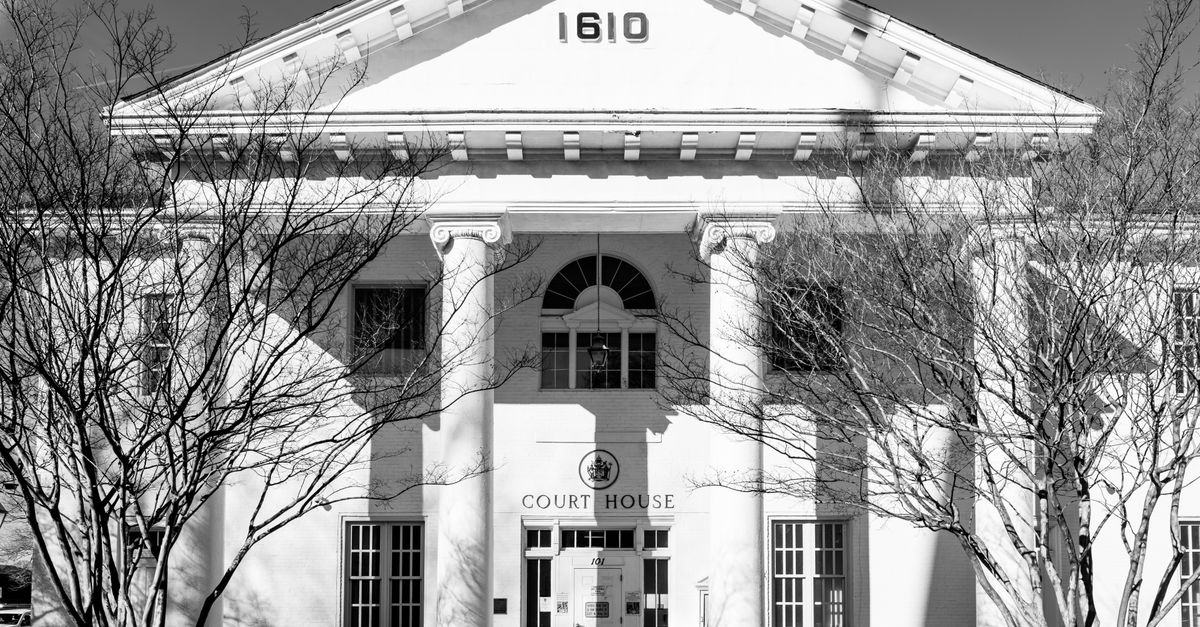
New Jersey’s deputy attorney general, Brian Richard Fitzgerald, was arrested on Thursday on felony charges for producing and distributing AI‑generated child sexual abuse material, according to a Bucks County detectives press release.
Key points
- 51‑year‑old Fitzgerald used AI to transform real minors’ social‑media photos into sexualized images he shared on Discord.
- A July Discord tip led investigators to trace the account to Fitzgerald’s home.
- Cops recovered AI prompts, scripts, and Discord logs admitting creation and sharing of illicit images under “thegentlemanpervert_2160_07833.”
- Fitzgerald faces charges of CSAM possession, dissemination, and criminal use of a communication facility.
- The case follows earlier DOJ and international arrests of law‑enforcement officers for AI‑generated CSAM.
What happened
On Thursday, Bucks County detectives announced that New Jersey deputy attorney general Brian Richard Fitzgerald was arrested on felony charges tied to AI‑generated child sexual abuse material. The arrest follows a tip from the National Center for Missing and Exploited Children that a Discord user had shared an illicit image in July.
Investigators used digital forensics and subscriber records to link a Discord account to Fitzgerald’s New Jersey home address. A search of his residence uncovered AI prompts, scripts, and chat logs that the officer allegedly used to create and distribute sexualized images of minors.
Fitzgerald, who has served as deputy attorney general since 2016, is charged with possession of CSAM, dissemination of photos or film of CSAM, and criminal use of a communication facility. The district attorney said the state aligns with the DOJ in treating AI‑generated CSAM as equally harmful.
The backstory
The Department of Justice has been cracking down on AI‑generated CSAM since at least 2024, when it charged a Wisconsin man for distributing thousands of realistic images of minors on Telegram and Instagram. That case clarified that AI‑generated content still constitutes CSAM under U.S. law. Similar arrests followed in Pennsylvania and Korea, where officers created AI porn from driver’s license photos or other images.
Causes and Enforcement Dynamics
The rapid adoption of generative AI tools has lowered the technical barrier for producing realistic imagery, enabling even law‑enforcement officers to create illicit content. Because the legal definition of CSAM remains unchanged, courts treat AI‑generated material with the same severity as traditionally captured content. Enforcement agencies now rely on digital forensics, subscriber records, and IP tracing to connect offenders to their devices, as demonstrated in this case.
The prosecutor’s role in this incident highlights a broader compliance gap: officials who are expected to uphold the law may also possess the skills and resources to facilitate violations. The DOJ’s 2024 warnings and subsequent arrests signal a tightening of enforcement that will likely extend to other public agencies.
Second‑Order Impacts on Platforms and Public Trust
Discord and other social‑media platforms face intensified scrutiny over their content‑moderation mechanisms. If AI‑generated CSAM escapes detection, platforms risk regulatory penalties and damage to brand reputation. Public trust in state institutions also erodes when officials involved in law enforcement are found creating or distributing illegal content. The incident may prompt stricter audit requirements, higher compliance costs, and a reevaluation of how platforms handle user‑generated AI imagery.
What builders and businesses should do
- Review AI‑generation workflows to ensure no CSAM‑related content is created or distributed.
- Implement robust content‑moderation policies that flag AI‑generated images for review.
- Conduct internal audits of user accounts and digital forensic capabilities to detect illicit activity.
- Train staff on legal definitions of CSAM and the implications of AI‑generated material.
- Engage with platform providers to understand and enforce their anti‑CSAM policies.
The bottom line
The arrest signals that AI‑generated CSAM is subject to the same legal penalties as traditional CSAM, and law‑enforcement agencies must tighten oversight. Businesses should monitor policy updates and adjust compliance programs accordingly.